Video Games and Teen Emotional Regulation: What Parents Need to Understand
How Video Games Can Act as Emotional Regulation for Teens and What Parents Need to Know
Almost every parent has said at one point “my child is addicted to video games.” That fear and frustration make sense. When gaming dominates schoolwork, family time, sleep, or other interests, it can feel like games are the root of the problem. But what if that is only part of the picture? What if games are serving a deeper emotional purpose for your teen?
When we slow down and look closely, video games often do more than entertain. For many young people, especially boys, games are a way to manage feelings they do not yet have the words or skills to handle another way.
What Emotional Regulation Really Means for Teens
Emotional regulation is the ability to notice feelings, calm the body, and return to a state where problems feel manageable. It includes handling frustration, disappointment, anxiety, and excitement without becoming overwhelmed. This is not easy for anyone, and the part of the brain that builds these skills continues to develop into early adulthood.
Some teens have extra difficulty with this process. Anxiety can make everyday stress feel much bigger. Attention and processing differences can make frustration feel unbearable. Sensory or social sensitivities can make ordinary environments feel overwhelming. On top of all that, many young people have been taught, explicitly or not, that emotions are something to hide or push down instead of explore and understand.
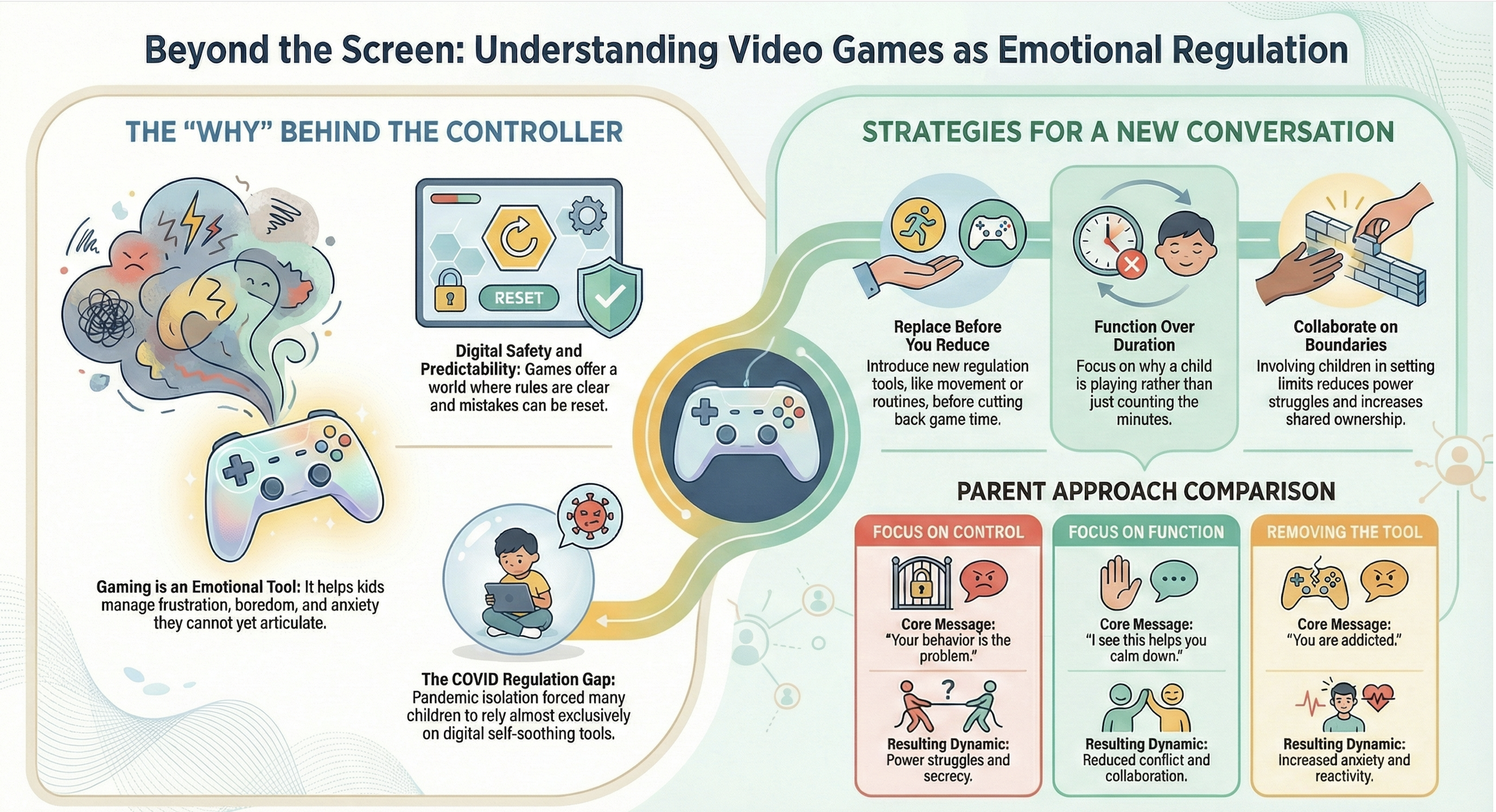
When emotions build up without healthy outlets, teens will seek relief — and video games often fill that role. They do not usually sit down with the conscious goal of “regulating my feelings.” What draws them in is how games provide clarity, structure, and immediate feedback in a world that often feels confusing or unpredictable.
Why Video Games Work So Well for Emotional Regulation
Video games can meet several emotional needs all at once:
Predictability and structure. Games have clear rules and visible progress, which can feel grounding when life feels chaotic.
A sense of control. In a world where many teens feel powerless, games offer control and agency.
Safe risk taking. Failure in a game can be reset without real-world consequences.
Social connection. Online play creates community and belonging that matters emotionally, especially for teens who struggle socially offline.
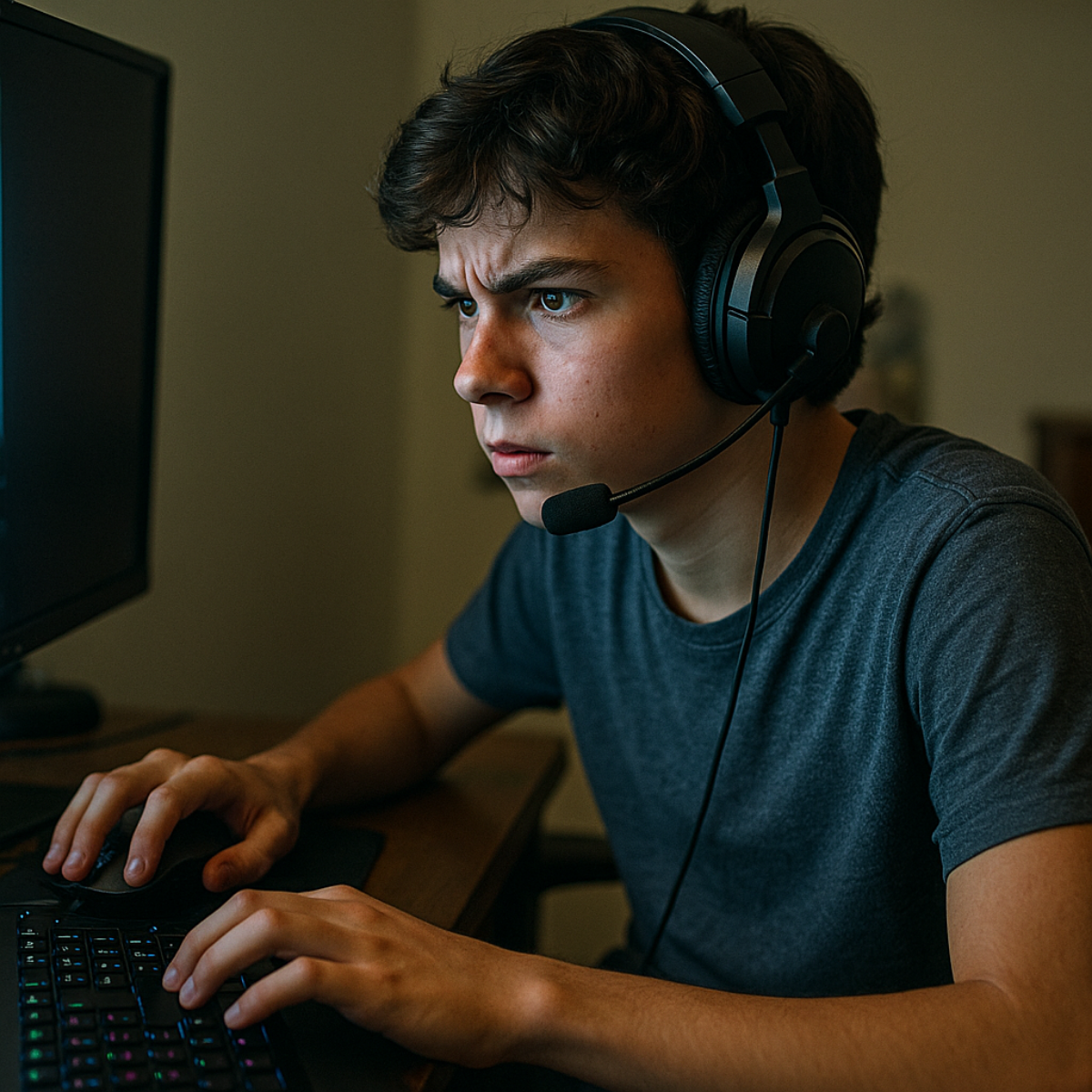
These emotional rewards help explain why gaming feels so “sticky.” It is not just fun. For many teens, games reduce anxiety, fill boredom, alleviate loneliness, and offer a way to feel capable and competent when other parts of life are harder.
When Regulation Turns Into Avoidance
There is a difference between using video games to manage stress and using them to escape life altogether. Trouble begins when gaming becomes the only way your teen knows how to calm down. Signs of this can include emotional meltdowns when gaming stops, refusal to try other coping methods, or progressively longer play sessions.
This is not a sign of weakness or a moral problem. It is a sign that your teen has relied on a single tool because it works reliably, and they do not have enough alternative strategies yet.
Why Just Cutting Off Gaming Often Backfires
When parents respond by focusing only on stopping gaming, the emotional need that games are addressing gets ignored. Simply removing games without offering something to replace the emotional regulation they provide can make your teen more irritable, anxious, and reactive. Pushback and conflicts often increase because the underlying emotional skills have not been built yet.
Instead of asking “How do I get them to stop?” a more helpful question is “What need is this gaming meeting for my teen?” Reflecting on what emotions the games help manage, what happens when gaming ends, and what your teen struggles with most when not playing opens up space for understanding rather than conflict.
Helping Your Teen Build Emotional Skills Before Changing Game Habits
Before limiting playtime, help your teen develop alternative ways to regulate emotions. This often starts with co regulation, where an adult helps a young person calm down and name their feelings instead of having them manage it alone. This relational support strengthens their emotional capacity and makes it easier for them to handle stress without defaulting to games.
Activities that can support this growth include:
Physical movement or exercise
Predictable routines and structure
Opportunities to connect socially offline
Emotion language practice, where feelings are named without judgment
As emotional skills increase, reliance on gaming often decreases naturally. Teens are better able to handle frustration and stress in varied ways, and limits around gaming feel easier and more balanced to everyone.
A More Compassionate Way to Understand Gaming
Video games are not the enemy. They are data. They can tell us something important about what a teen needs emotionally, what overwhelms them, and what currently helps them cope. When parents learn to read that information instead of simply fighting it, new options and support strategies emerge. With patience, connection, and skill building, emotional regulation can grow without taking away what genuinely helps your teen feel safe and capable.